Introduction
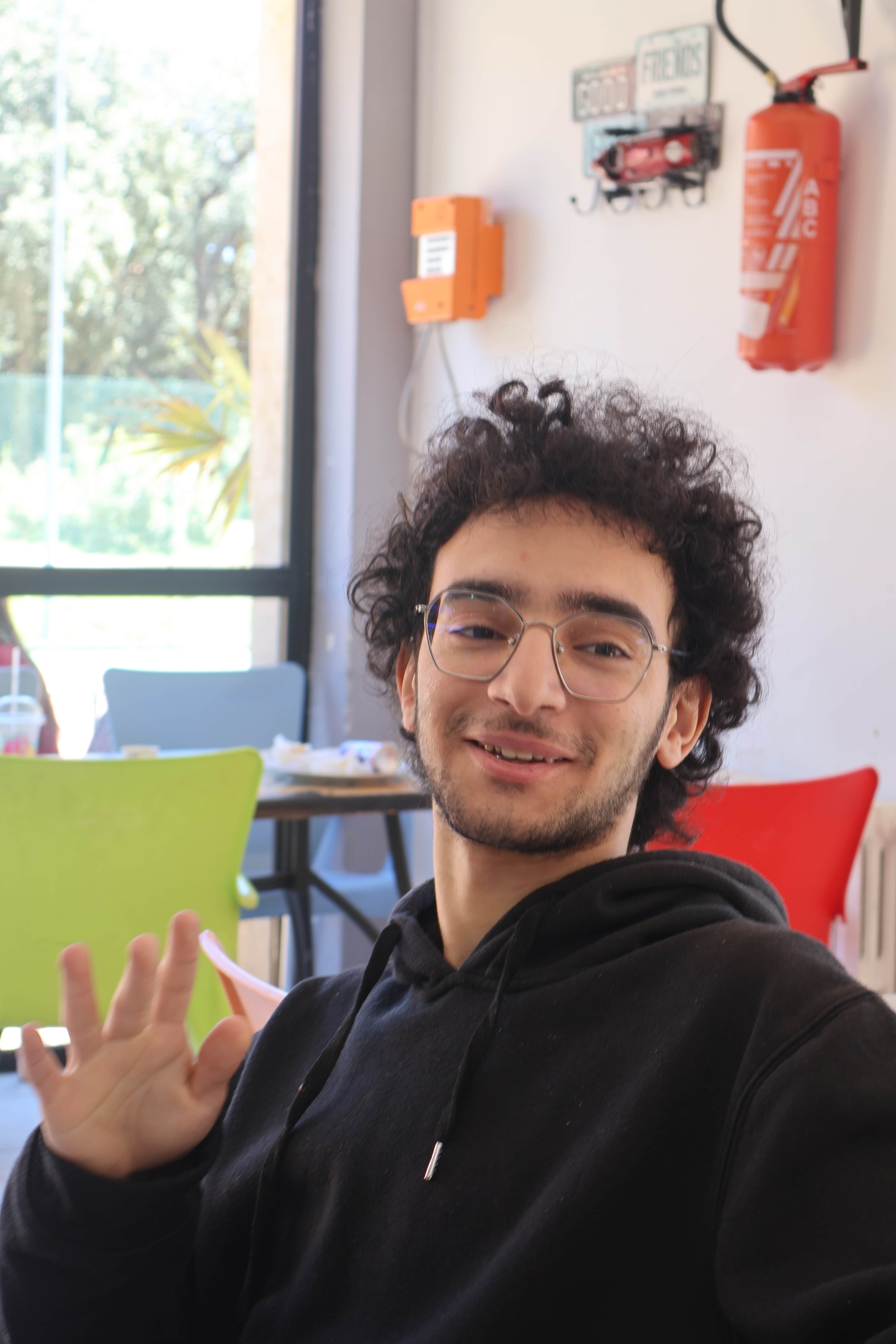
Nizar
El Ghanbaz
Photography Student — Ifrane, Morocco
I'm Nizar El Ghanbaz, a photography student based in Ifrane, Morocco. I came to
photography through a deep appreciation for visual art — specifically the kind found in
art books by gaming artists and Mangaka, like the concept work behind The Last of Us
or the photo-based realism in Inio Asano's manga backgrounds. What drew me to those works
was their recurring theme: nature — forests, trees, water, dirt — placed in contrast with
the world we have built for ourselves.
I always saw natural environments as the exact opposite of modern life: alive where our
buildings are rigid, abundant where our cities feel empty. Photography became my way of
exploring the space between these two worlds — not to escape one for the other, but to
find where they meet.
Artist Statement
I truly enjoy contemplating art books made by gaming industry artists and Mangaka — especially those that follow themes of nature, greenery, and foliage. Every time I examine these pieces, I arrive at the same conclusion: nature — forest, trees, water, dirt — is the exact opposite of what we have built and live in today. We live centered around absence, rigidity, and artificial structure, which makes us think less of life. I didn't want photography to be a way to let go of our current world, but more of an option to mix between these two worlds.
To find that mix, I began leaning toward Brutalism and Concrete Minimalism. Most of my photos focused on architectural form, repeated patterns, and the stillness of dead alleys in empty buildings. At first I truly enjoyed capturing this style — but it started getting boring. Being limited to campus and Ifrane's city architecture didn't give me what I really wanted. I had to find a way to blend this aesthetic with something widely present in Ifrane: its greenery.
By trying to mix between the two, I discovered the post-apocalyptic aesthetic — where nature reclaims what is hers, building a new life on the silent remains of destroyed structures. You will be able to see traces of that discovery in the final photographs of this portfolio.